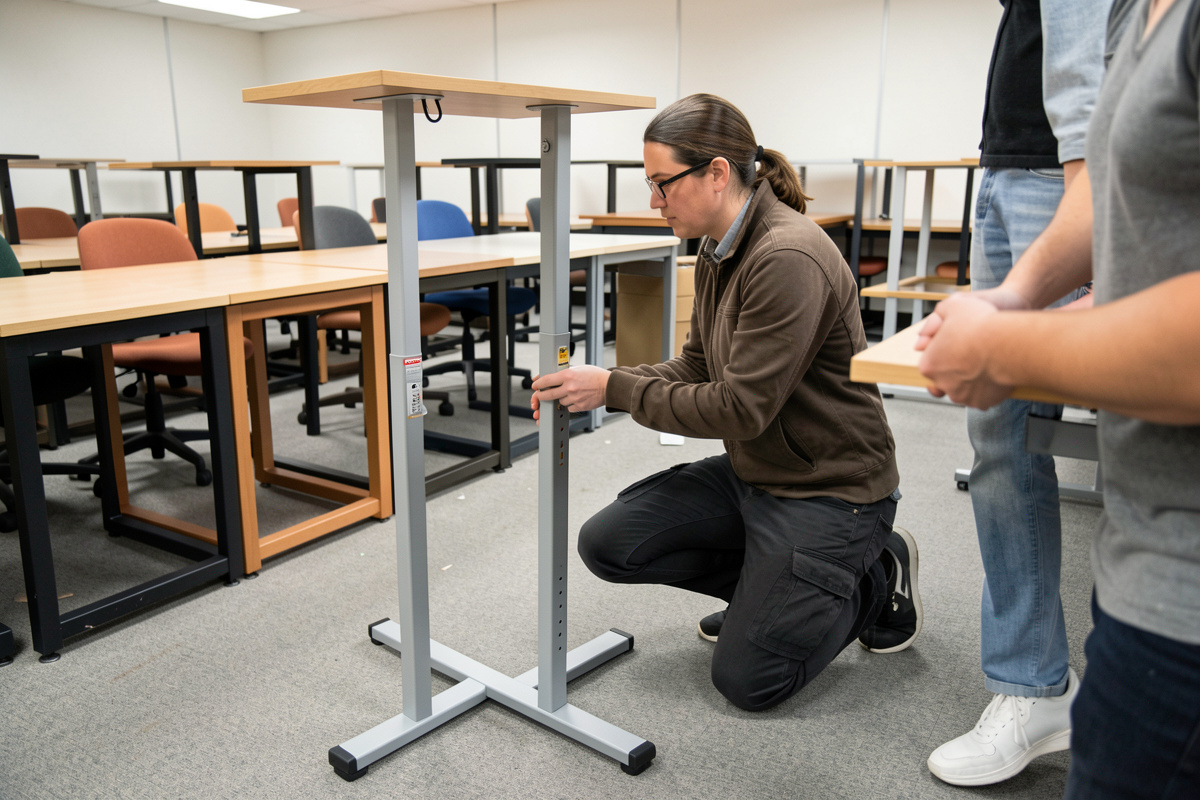

A proper used standing desk checklist is the difference between the smartest-money buy in this category and inheriting someone else’s problem. Standing desk frames are mostly steel and a couple of motors — durable, slow-wearing machines — which makes the used market the best stability-per-krona you can find, if you check the frame properly before handing over cash. Offices liquidate barely-used frames constantly. I’ve bought premium gear used as a matter of principle, and the inspection is everything: a frame that passes this checklist is a steal, and one that fails it is a refund you’ll never get. Here’s exactly what to look at.
The framing this site holds throughout: this is a comfort, fatigue, and geometry article, not a medical one. I’m talking about inspecting a mechanism — wear, function, stability — practical buying advice with no health claims.
Why used frames are the smart-money buy
The frame is the durable, expensive part of a standing desk, and it ages well. There’s very little to wear out: the legs are steel, the motors don’t work hard in normal use, and the controller is simple electronics. Offices upgrade, downsize, and close, dumping frames that have sat at one height for most of their life onto the second-hand market for a fraction of new. You inherit the engineering — three-stage legs, dual motors, a high weight rating — at budget-frame prices. The catch, and the reason for this checklist, is that there’s no warranty and you’re buying whatever wear and damage the listing didn’t mention. Check well and the value is unbeatable.
How this site stays free: a couple of links below go to Amazon, and as an Amazon Associate I earn from qualifying purchases. No cost to you, only gear I’d use myself, and this is comfort-and-geometry guidance, not medical advice.
The inspection checklist
1. Run the full travel, both directions, and listen
This is the single most important test. Plug it in and raise it all the way to maximum, then lower it all the way to minimum, and do it twice. Listen the whole time. Smooth, even motion with a consistent motor hum is what you want. Grinding, stuttering, clicking, or a leg that lags behind the other is a warning sign of motor or gearing wear. A frame that travels clean through its entire range is a healthy frame. A frame the seller only demonstrates moving a few centimetres is a frame hiding something — insist on the full travel.
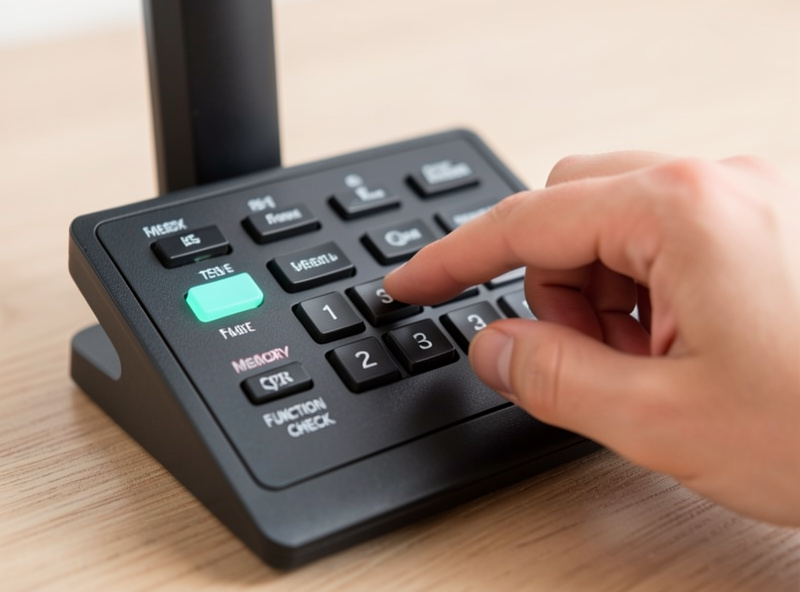
2. Check the controller and memory presets
Press every button. Confirm up and down both work, and if it has memory presets, set one and recall it to verify the presets actually function — a dead preset or a glitchy keypad is a real annoyance and a sign of electronics wear. The controller is one of the few things that genuinely fails on these frames, so test it deliberately rather than assuming it works because the desk moves.
3. Confirm the leg stages match the claim
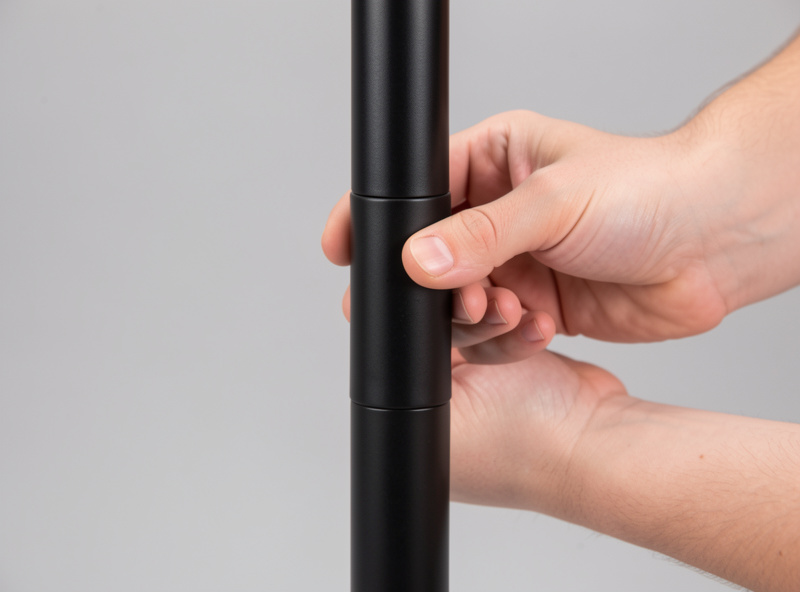
If the listing says three-stage legs, verify it — extend a leg and count the nested sections. Sellers sometimes don’t know what they have, and a two-stage frame sold as three-stage is a different, wobblier product. Since leg stages are the biggest factor in stability at height, this is worth confirming with your own eyes, not taking on trust.
4. Inspect the legs for play and damage
With the desk extended, grip a leg and try to wiggle the sections — a little is normal, noticeable play is wear or damage in the telescoping mechanism and means wobble you can’t fully fix. Look for dents, bends, or corrosion on the legs, and check the feet are intact and level. Damaged legs are the one thing on a used frame you can’t easily remedy, so they’re a walk-away.
5. Run a wobble test at full height
Raise it to full standing height, and if you can, load it with something to simulate monitors. Put both hands on the front edge and push firmly. A solid frame moves a controlled amount and stops dead; one that keeps oscillating is either loose (fixable by re-torquing) or worn (not). Combined with the leg-play check, this tells you what you’re really buying.
6. Check the weight rating against your needs
Find out the frame’s capacity and confirm it comfortably covers your top plus your gear with margin. A used frame with a generous rating is exactly the bargain you want; one whose rating you’ll be brushing against will strain. The rating is a ceiling, not a target — buy room to spare.
What to bring to the inspection
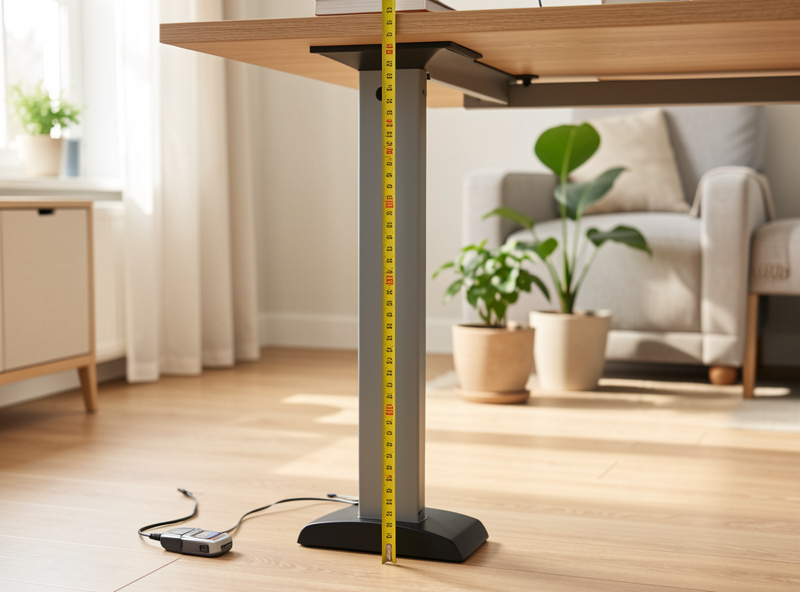
A few small things make the inspection far more reliable. A tape measure lets you confirm the minimum and maximum heights actually reach your measured seated and standing elbow numbers — a frame that doesn’t reach your height is no bargain at any price. And once you get it home, a screwdriver and bit set to re-torque every bolt is the first thing to do — a used frame has been assembled, moved, and possibly partly disassembled, so a full tightening pass turns most residual wobble into solid. These two cheap tools cover the before and after of a used-frame buy.
Where to actually find used frames
The supply is better than most people realise once you know where to look. Office liquidation is the goldmine — companies that downsize, relocate, or close sell furniture in bulk, and standing desk frames that spent their life parked at one height come through barely used. Office-clearance firms and local business-asset sales are worth watching. Beyond that, the usual local marketplaces and classifieds carry a steady stream from people moving house or changing their setup, and the home-office boom means there’s far more out there now than a few years ago. The advantage of buying local is the one that matters most: you can run this entire checklist before you pay, which you can’t do from a photo.
That’s also why I’d be cautious about buying a used frame sight-unseen and shipped. You lose the inspection, shipping a heavy steel frame is expensive and risks transit damage, and you’ve no way to run the travel test until it arrives. If a remote deal is the only option, get video of the full travel in both directions, clear photos of the legs and feet, and confirmation the controller and presets work — but a local pickup where you test it in person is always the stronger play. The whole value of buying used rests on knowing what you’re getting, and inspection is how you know.
Using condition to negotiate
The checklist isn’t only a pass-fail filter; it’s a negotiating tool. Minor cosmetic wear — scuffs on the legs, a tired finish — doesn’t affect function at all and is a perfectly fair reason to ask for a lower price on an otherwise healthy frame. What you’re really paying for is clean travel, solid legs, and a working controller; cosmetics are negotiable noise. Just keep the line clear in your own head between cosmetic (negotiate) and functional (walk away). A scratched but mechanically perfect frame at a discount is a great buy. A pristine-looking frame that grinds through its travel is not, at any price.
Red flags that mean walk away
- Grinding or stuttering through the travel — motor or gearing wear, expensive or impossible to fix.
- A leg that lags or the desk lifts unevenly — synchronisation or motor problem.
- Noticeable play in the leg sections — mechanical wear that means permanent wobble.
- Dead controller buttons or glitchy presets — electronics failure, and replacements aren’t always available.
- Bent, dented, or corroded legs — structural damage you can’t undo.
- A seller who won’t demonstrate the full travel — assume the worst about why.
The bottom line on buying used
A used standing desk frame is the best value in this entire category for one reason: the frame is the durable part, and the market is full of barely-used ones at a fraction of new. The whole risk is condition, and this checklist removes most of it — run the full travel listening for trouble, test the controller and presets, confirm the leg stages and look for play, run a wobble test at full height, and check the rating covers your load. A frame that passes all six is the smart-money buy I’d make every time over a new budget frame. Bring a tape measure, re-torque it at home, and you’ve got premium engineering for budget money.
Is buying a used standing desk a good idea?
Often the best value in the category. The frame is the durable part, mostly steel and slow-wearing motors, and offices liquidate barely-used frames cheaply. The only real risk is condition, which a proper inspection of travel, controller, legs, and stability removes. There is no warranty, so check carefully.
What should I check on a used standing desk?
Run the full travel both directions listening for grinding, test every controller button and memory preset, confirm the leg stages match the listing, check the legs for play and damage, run a wobble test at full height, and confirm the weight rating covers your load.
What are the warning signs of a worn standing desk frame?
Grinding or stuttering during travel, a leg that lags or lifts unevenly, noticeable play in the telescoping sections, dead or glitchy controller buttons, and bent or corroded legs. Any of these is a structural or motor problem that is expensive or impossible to fix.
Can I fix wobble on a used standing desk?
Sometimes. If the wobble is from loose bolts, re-torquing every fastener in a cross pattern usually solves it, and that should be the first thing you do at home. If the wobble comes from genuine play in worn leg sections, no tightening fully fixes it.
How much should a used standing desk frame cost?
Far less than new, often a fraction, which is the whole appeal. Rather than fixate on a number, judge value by condition against this checklist: a frame with three-stage legs, working presets, and clean travel for a low price is a strong buy regardless of the exact figure.
