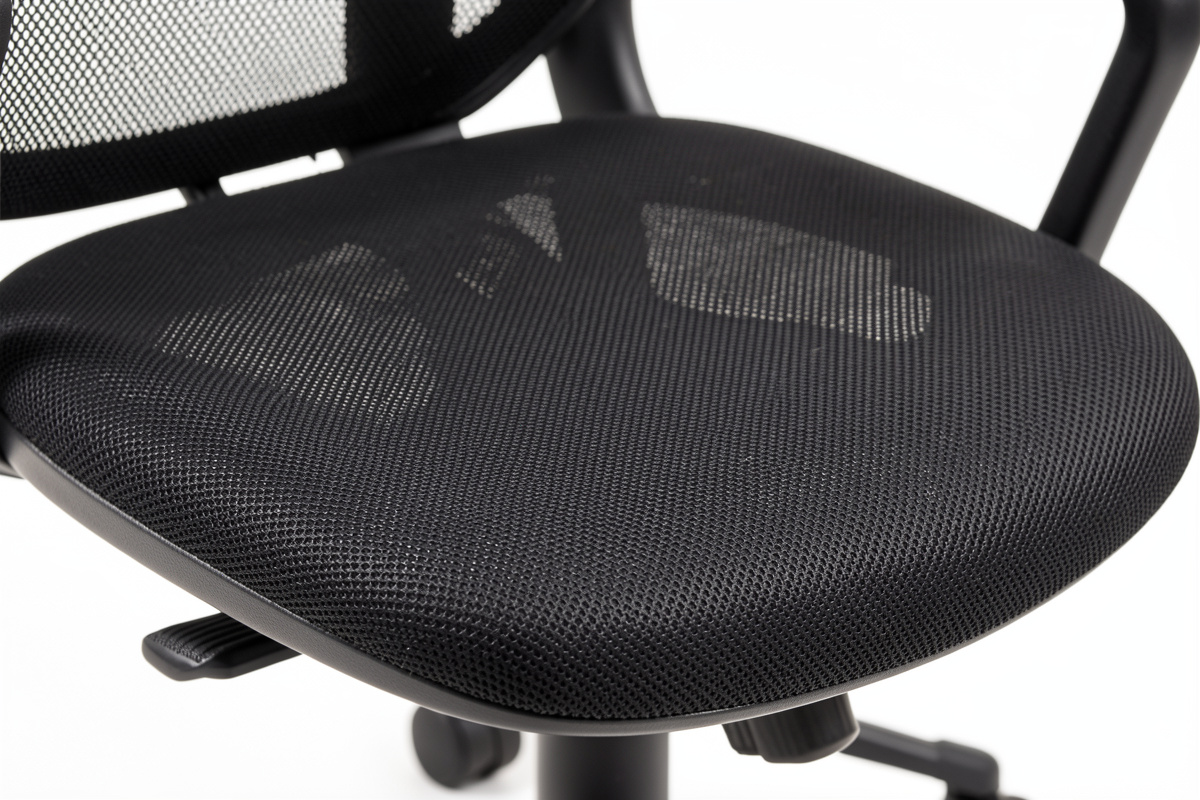

Mesh runs cooler and resists flattening, while quality molded foam feels plusher on day one and holds support longer. The honest verdict after years with both: material tier matters more than material type. Type is the second question, not the first.
I keep a budget mesh chair and a mid-tier foam chair in rotation specifically so I can compare them over real time rather than a showroom minute. This is a comfort-and-durability comparison, not a health one, and the differences that matter only show up after months of daily use, which is exactly where most reviews stop looking.
What Mesh Does Well and Badly
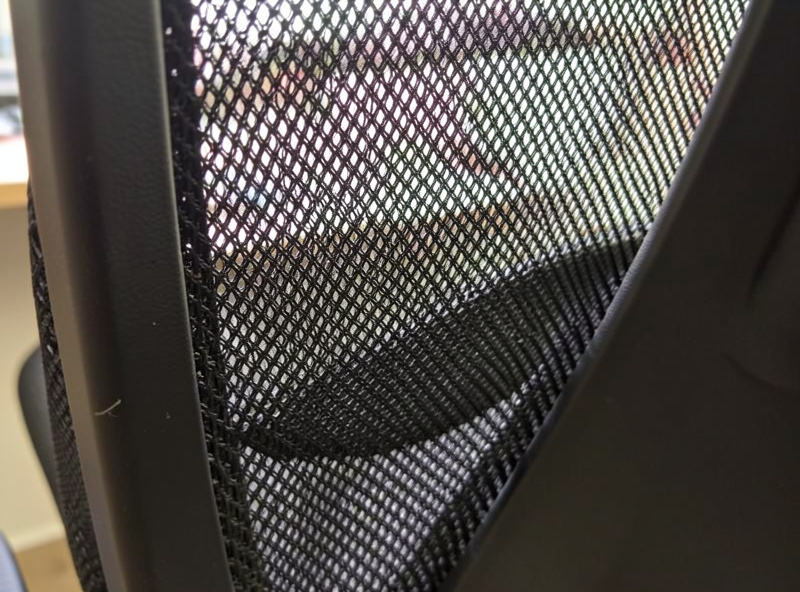
Mesh’s strengths are airflow and shape retention: it breathes, so you do not get the warm, slightly sweaty seat that foam can produce on a long afternoon, and a quality mesh resists permanent compression. Its weakness is that cheap mesh sags into a hammock within a year, which wrecks the seat-depth fit.
In my Swedish summers the mesh chair is genuinely the more comfortable seat on a warm afternoon, because the foam chair traps heat against my legs. That airflow advantage is real and it is the main reason to choose mesh. But mesh quality varies enormously. The budget mesh seat in my office sagged at the front edge inside about a year of daily use, and once it dished out, the effective seat depth shortened and I started perching forward, undoing the fit I had set. High-tension contract mesh holds its shape far longer; cheap loose mesh does not. So mesh’s durability is entirely a function of its tier, which is the whole point of this comparison.
The seasonal split shows up clearly in my setup log. Through a Nordic winter, when the office sits cool, the heat-trapping of the foam seat is a non-issue and I barely notice a difference between the two; through the handful of genuinely warm summer weeks, the foam seat is the one I get up from with a warm patch on the back of my legs and the mesh is the one I stay on without thinking about it. If you live somewhere with a real summer, that swing is the single most useful thing to weigh, because it is the difference you will feel on the worst-case day rather than the average one. A chair has to be comfortable at the temperature extreme, not just the showroom’s air-conditioned middle.
What Foam Does Well and Badly
Foam’s strength is a contoured, cushioned feel and, in high-density molded versions, a long service life that holds support for five-plus years. Its weakness is heat retention and the slow flattening that low-density foam suffers, which turns a plush seat into a hard, dished one over time.
The mid-tier foam chair in my office has held its shape far longer than the budget mesh one, which is the quiet argument for good foam: high-density molded foam from a serious manufacturer simply lasts. It also feels more cushioned on contact, which some people prefer for long sitting. The trade-off is warmth, the foam chair runs hotter against my legs through summer, and the failure mode of cheap foam, which flattens and loses its contour after a year or two of compression. A flattened foam seat is as bad as a sagged mesh one: it changes the geometry you fitted and pushes you out of position. Again, tier decides the outcome.
Mesh vs Foam, Compared Honestly
Here is how the two materials stack up across the things you actually feel over months of use: temperature, day-one feel, how long they hold their shape, and the failure mode to watch for. Tier assumed equal, this is the type-versus-type comparison.
| Attribute | Mesh | Molded foam |
|---|---|---|
| Temperature | Cooler, breathes well | Warmer, traps heat |
| Day-one feel | Firmer, suspended | Plusher, cushioned |
| Shape retention (quality) | Holds tension for years | High-density lasts 5-plus years |
| Failure mode (cheap) | Sags into a hammock within a year | Flattens and dishes out |
| Best for | Hot rooms, warm climates | Plush-feel preference, cool rooms |
The pattern is symmetrical: each material has a clean failure mode at the budget end and a long service life at the quality end. That is why I keep telling people to choose tier first and type second.
Which One Should You Choose?
Choose mesh if you or your room runs hot, choose foam if you prefer a plush, contoured feel and your room stays cool, but in both cases buy the highest tier you can afford because tier, not type, decides how long the seat holds the geometry you fitted.
If I had to hand someone one rule, it would be this: do not spend your money choosing between mesh and foam at the budget tier, because both fail within a year or two there. Spend it moving up a tier, and then let climate and feel preference pick the material. A used premium chair, whether it is mesh or high-density foam, will outlast and outperform a new budget chair of either type, which is why the used premium chair argument sits underneath this whole question. And whichever you pick, the seat still has to fit your body, so the seat depth femur rule and the full ergonomic chair guide apply to mesh and foam alike.
A Note on Hybrid Seats
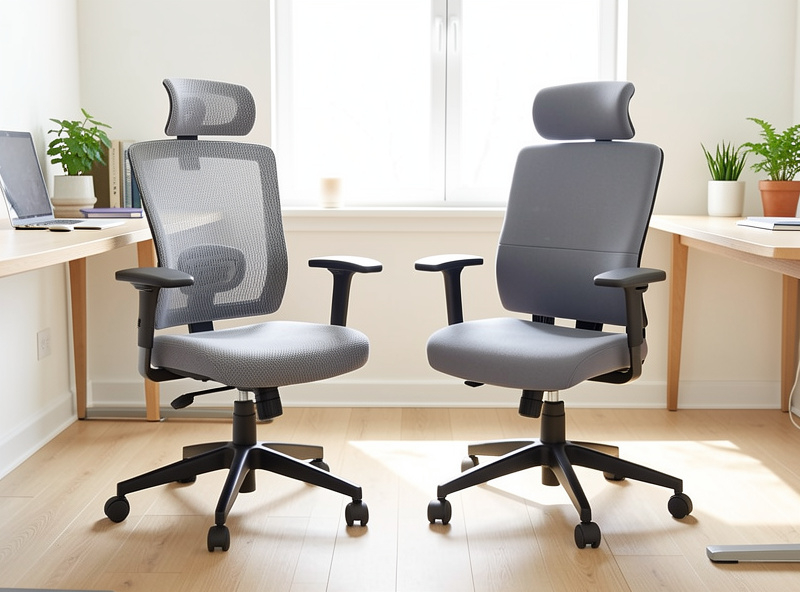
Some chairs pair a mesh back with a foam seat, trying to get the back’s breathability and the seat’s cushioning. This is often a sensible compromise, since the back benefits most from airflow and the seat benefits most from contour, but the same tier rule applies to each part.
I am fairly sold on the mesh-back, foam-seat layout in principle: your back is the larger contact area against the chair and the one that most appreciates ventilation, while the seat is where a little contour helps over a long day. But a hybrid is only as good as its worst component, a great mesh back bolted to a cheap foam seat that flattens still leaves you with a flattened seat. So I evaluate each surface on its own tier rather than trusting the hybrid label to mean quality. The combination is a feature, not a guarantee, and I price a hybrid by the cheaper of its two surfaces rather than by the spec line that sounds best.
How to Spot a Seat That Will Not Last
You cannot test years of wear in a showroom, but you can read the warning signs: press hard into the seat and watch whether it springs back fully or holds a dent, check mesh tension by pushing a flat hand through the weave, and weigh how thin or loose the material feels. Cheap construction telegraphs itself.
With foam, push your fist firmly into the seat and release; quality high-density foam rebounds promptly and completely, while low-density foam pushes in easily and is slow to recover, which is the same softness that becomes a permanent dish in a year. With mesh, press a flat palm into the seat near the front edge and feel the tension; taut, evenly tensioned mesh resists and snaps back, while loose, stretchy mesh deflects far and is the kind that hammocks out. Neither test is perfect, but together with the price they tell you which tier you are actually looking at, regardless of the label on the box. I run both tests on any chair before I trust it to hold the geometry I have fitted, because a seat that changes shape changes the fit, and the fit is the whole reason the chair was worth buying.
Frequently Asked Questions
Is a mesh or foam office chair better?
Tier matters more than type. Good mesh runs cooler and holds tension for years; high-density foam feels plusher and lasts 5-plus years. Cheap mesh sags into a hammock within a year and cheap foam flattens, so spend on tier first.
Does mesh sag over time?
Cheap mesh sags into a hammock within about a year of daily use, which shortens the effective seat depth and pushes you out of position. High-tension contract mesh holds its shape for years. Sagging is a tier problem, not a mesh problem.
Does a mesh chair feel cold or hard?
Mesh feels firmer and more suspended than foam, and it breathes, so it runs cooler. Some people read that as hard; others prefer it for long sitting. In a warm room the airflow is a clear comfort advantage over heat-trapping foam.
How long does a foam office chair seat last?
High-density molded foam from a serious manufacturer holds support for five-plus years. Low-density budget foam flattens and dishes out within a year or two, changing the seat geometry you fitted and pushing you out of position.
Are mesh-back foam-seat hybrid chairs good?
Often yes, the back benefits most from airflow and the seat from contour. But a hybrid is only as good as its worst component; a great mesh back on a cheap foam seat that flattens still leaves you with a flattened seat. Judge each surface on its tier.
